Pump repair for the places Surprise homes actually use pumps
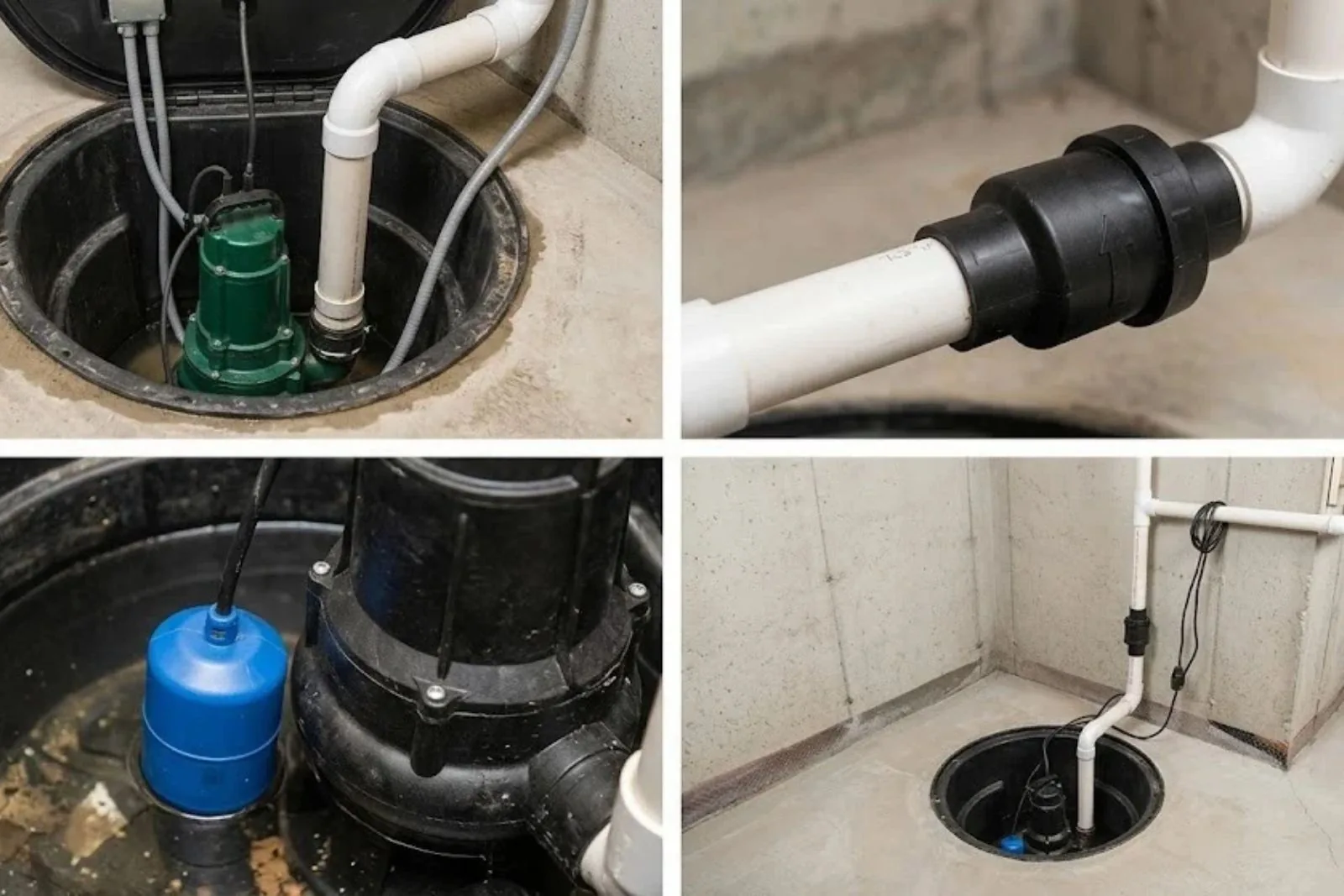
A sump pump moves water out of a pit to keep a low space dry. A sewage ejector pump lifts wastewater from fixtures that sit below the sewer line up to where it can drain. Both rely on a float switch, a motor, and a check valve to keep working.
Surprise is not a basement city. Most homes here sit on concrete slabs, so a classic basement sump pump is rare. Pumps still show up, though, in casitas and guest suites added below the main drain line, in the few custom homes with basements or below-grade rooms, in yard and patio drainage pits, and in commercial buildings.
When one of those pumps fails, the result is usually a fixture that will not drain, an alarm that will not stop, or standing water where a pump should have removed it. Repair starts by finding which part quit.
Surprise sits in Maricopa County, and pump discharge here usually ties into City of Surprise sewer or an approved yard drain. Casita additions in Marley Park, Asante, and similar communities, plus commercial buildings along Bell Road, are where most of these pumps are found.
Emergency sump pump failure: when the pit is filling and the pump is silent
A sump or ejector pump that stops during a storm or a wash cycle can flood a basement, a lower bath or a utility room in minutes. Callers tell us about standing water in an electrical room or a pump that evidently stopped working overnight.
Water near electrical equipment is dangerous. Stay out of standing water if outlets or panels are wet.
- 1Check the breaker and plug.A tripped breaker is the simplest cause of a silent pump.
- 2Stay out of standing water.If water is touching outlets or a panel, do not enter. Call and tell the dispatcher.
- 3Stop adding water.Do not use sinks, showers or the washer if the pump is a sewage ejector.
- 4Call the emergency line.We replace failed pumps and check the float and the check valve.
Types of pumps found in Surprise properties
Knowing which pump you have tells you what can go wrong.
| Pump | Where it is used | Common problems |
|---|---|---|
| Sewage ejector pump | Casitas, garage conversions, and fixtures below the sewer line. | Clogged impeller, failed float, stuck check valve. |
| Grinder pump | Below-grade bathrooms and some commercial sites. | Jammed cutters from wipes or debris. |
| Sump pump | Basements, below-grade rooms, and window wells. | Failed float switch, burned-out motor. |
| Drainage or yard pump | Patio, courtyard, and low yard pits that collect storm water. | Debris in the pit, a clogged discharge line. |
| Condensate pump | Air handlers that cannot drain by gravity. | Algae in the line, a failed float. |
When to call: signs a pump is failing
These are the symptoms people notice first.
- An alarm keeps sounding. High-water alarms mean the pump is not keeping up or has stopped.
- A fixture will not drain. A sink, shower, or toilet served by an ejector backs up when the pump fails.
- The pump runs nonstop. A stuck float or a leaking check valve can keep the motor running.
- Humming without pumping. A jammed impeller or a failed motor can hum without moving water.
- Odors near the basin. Sewage smell can mean a cracked lid seal or a vent problem.
What the plumbing code expects from a pump system
Section 712 of the International Plumbing Code (IPC) covers sumps and ejectors. In plain terms, a sewage pump needs a sealed basin, a vent, and a check valve plus a shutoff valve on the discharge line so wastewater cannot flow back into the basin.
Many pump problems come from parts of the setup rather than the pump itself. A missing check valve, a blocked vent, or an undersized basin can make a good pump fail early.
Repair, replace, or add a pump
The right step depends on the pump's age and what failed.
Fix the failed part
Floats, switches, check valves, and alarm panels can usually be replaced without changing the pump.
This is the right first step for a pump that is only a few years old.
Best when
One part has failed
A quick fix often restores the whole system.
Install a new pump
A burned-out motor or a cracked housing usually means a new pump. It is sized to the basin and the height it has to lift.
Replacing the check valve at the same time is often worth it.
Best when
Motor or housing failure
Matching pump size to the job prevents early failure.
Add a pump where one is needed
Adding a bathroom or kitchen to a casita below the sewer line usually needs an ejector system.
A yard pit that floods during storms may need a drainage pump and a proper discharge line.
Best when
Adding fixtures or fixing drainage
New systems may need a city permit.
What sets the price of pump work
The pump is checked first, then you get a firm price.
| Cost factor | How it moves the price |
|---|---|
| Pump type | Grinder and ejector pumps cost more than a basic sump or yard pump. |
| Repair or replace | A float or check valve costs far less than a new pump. |
| Access | Basins under floors or in tight spaces take more time to service. |
| Discharge line | Clearing or rerouting a clogged discharge line adds labor. |
| Permits | New pump systems may require a city permit. |
Insurance and pump failures
Pump failure that floods a room may be covered as sudden water damage, but many policies need a separate endorsement for sewer or sump backup. Check the policy.
Pump not running? Call (623) 301-9042 and say what the pump serves.
Sewage pump replacement and ejector pits
Some pump calls are for a sewage ejector that needs replacement, not a sump pump in a drain pit. Basement bathrooms and lower-level laundry rooms often use ejectors, and a failed one backs up wastewater. We replace the pump, the float and the check valve together when needed.
Callers also ask about installing a new pump from scratch and about price before anyone arrives. Tell us the pit depth and the pump type if you know them and we quote before work starts.
Sump and ejector pump questions in Surprise
Few do, because most homes sit on slabs without basements. Pumps are more common in casitas, below-grade rooms, yard drainage pits, and commercial buildings.
A sump pump removes ground or storm water from a pit. An ejector pump lifts wastewater from toilets, sinks, or showers that sit below the sewer line.
The pump has likely stopped or cannot keep up. A failed float, a jammed impeller, or a blocked discharge line are common causes.
Yes. Calls are taken around the clock, and an ejector failure that leaves a toilet or shower unusable is treated as urgent.
If the new fixtures sit below the main sewer line, an ejector system is usually needed. A plumber can check the elevations.
Yes. Wipes and other debris can jam impellers and grinder cutters. Only toilet paper should go down fixtures served by a pump.
Yes. We replace sewage pumps and the check valve and float that go with them. A pump that runs but moves no water may only need the check valve.
Yes. A pump failure with water rising is handled on the emergency line.
Related help
If wastewater is backing up beyond the pump, the problem may be in the main line, which is a job for main line drain cleaning or sewer line repair. When a failed pump has already let water into the house, our water damage restoration page explains the cleanup.
Yard and casita pumps are also common on larger lots west of town, including properties in Waddell.